The hidden choices that shape how your home actually work long after the renovation dust has settled.
(This article was based on an episode of our Home Improvements Podcast which you can listen to HERE)
Most renovation regrets don’t come from tiles, taps or paint colours, they come areas such as plumbing and heating decisions people delay, overlook, or underestimate. From water softeners to secondary hot water circuits, underfloor heating design, boiler compatibility and radiator quality, the choices you make behind the walls determine how comfortable, efficient and future‑proof your home will be.
Renovation aesthetics last about 18 months, but the plumbing and heating decisions last 18 years. Homeowners often focus on the visible upgrades and ignore the infrastructure, only to face expensive rework, poor performance, or daily frustrations later.
“Customers just want to keep the focus on their quartz worktops… rather than the things they should, and normally they come to regret it later.”
The Big Plumbing & Heating Decisions You Should Never Ignore
- Water Softeners: The £1,000 Decision That Saves You £10,000 Later
A water softener removes solids such as minerals from water to protect plumbing, appliances and finishes.
Hard water areas like Milton Keynes make water softeners one of the most impactful hidden upgrades, yet they’re often overlooked and onlu considered after the kitchen or flooring is installed, making it far more disruptive.
Why homeowners regret skipping this step
“It could’ve been north of £10,000 to add it… versus £1,000 while we were there.”
- It may be disruptive to floors and ceilings to chase new pipework in order to add function at a later date.
- Hard water damages brassware, appliances and finishes.
- Softened water reduces the need for cleaning products, and the amount of soap and shampoo, and is much better for the skin.
- Relocating Water Sources Without Planning the Hot Water Route
Moving a sink or appliance seems simple until you realise the hot water now travels an extra 5 metres through the house, meaning you are waiting 45 seconds for hot water every single day.
The fix: Secondary Hot Water Circuits
A secondary circuit is a closed-loop plumbing setup that continuously pumps hot water from a hot water cylinder out to the farthest fixtures and back again. Eliminating long waits and water wastage which build up over the month.
Why it must be planned early
- It much easier to install when ceilings are down.
- Modern taps restrict flow to 6 litres/min, increasing delay compared to older fittings.
“Because you’re only getting six litres through, it takes longer for the hot water to come through.”
Cold water mistakes to avoid
Running cold pipes through warm ceiling voids can heat the cold supply, causing warm water at the cold tap.“
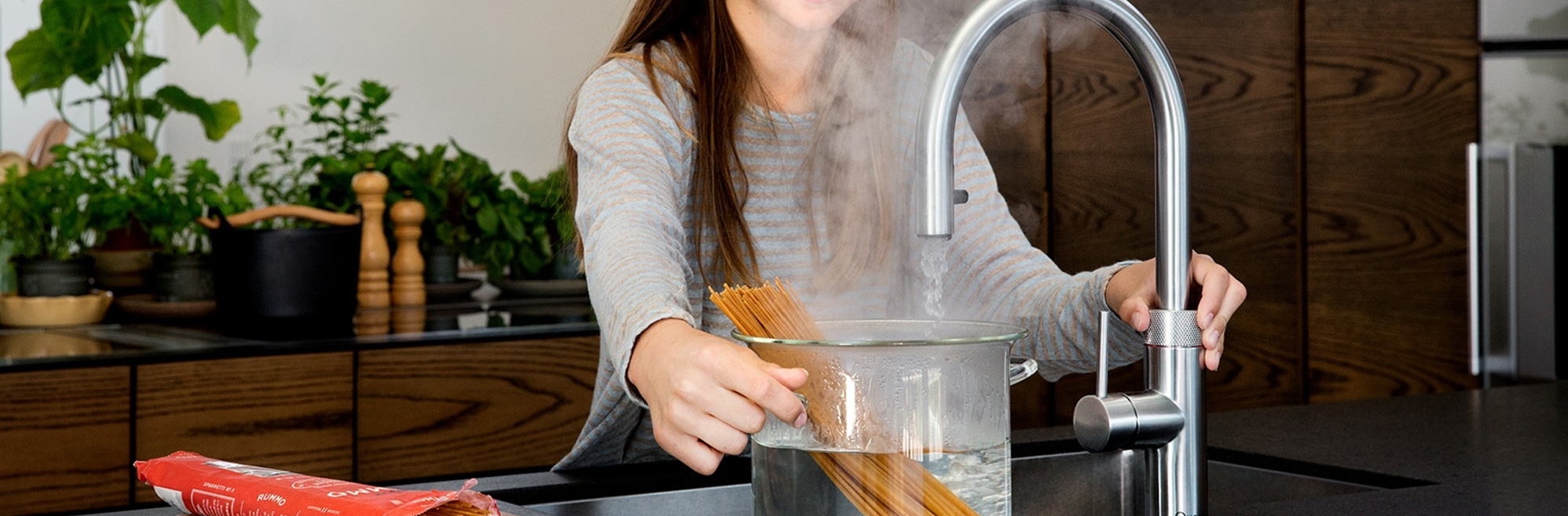
Where it is not practical to avoid this, you can avoid this in areas such as the kitchen by installing a localised refrigerated system such as the Quooker Cube.
You don’t want to run your cold tap for 3 minutes to get cold water through.”
All of these mistakes mean you are paying for and wasting litres of water every day.
- Underfloor Heating: Clutter Free, But Not Always Practical
Underfloor heating is one of the most misunderstood upgrades. Homeowners often assume it’s a simple swap, but the implementation is highly technical and potentially costly to retro fit.
Three plumbed systems to understand
- Dig-down systems
- Best for full refurbishments or new builds
- Requires insulation + screed
- High cost, high disruption as a retro fit
- Overlay systems
- Usually adds at least 25mm to floor height
- Can cause staircase, door threshold issues and building regulation complications
- Milled-in systems
- Grooves cut into existing screed
- Custom pipe spacing
- Works well in post‑1990 homes with insulation
Implications of rushing or cost saving under floor heating decisions
- Incorrect pipe spacing leads to cold spots
- Poor insulation means you heat the ground, not the room
- Boilers (especially oil boilers) may not be compatible without buffers
- Additional costs to rectify knock areas such as thresholds, door frames and external doors.
- Radiators: Why the £99 Online Bargain Will Cost You More
Designer radiators get a bad reputation, not because of truth, but because cheap imports are.
Hidden problems with cheap radiators
- Poor metal quality → internal corrosion, circulating debris in your system creating blockages and further corrosion.
- ‘Pin holing’ and leaks within days, weeks and months
- Incorrect heat output ratings, not all rating measurements are equal
- Missing essential components such as fixing brackets, creating hidden costs
Summary
Plumbing and heating decisions shape how your home works long-term. Plan water softeners early, consider secondary hot water circuits when relocating sinks, design heating based on heat loss and insulation, and avoid cheap radiators that damage boilers. In hard-water areas like Milton Keynes. These choices prevent costly rework and ensure comfort, efficiency and reliability.
FAQs
What plumbing decisions cause the biggest regrets?
Skipping water softeners, relocating sinks without planning hot and cold water routes or appliances, poorly designed heating.
Why does hot water take so long after moving a sink?
Longer pipe runs + modern low-flow taps = slower hot water delivery.
Is underfloor heating worth it in older homes?
It can be but only with proper heat-loss calculations and insulation checks.
Do cheap radiators really cause boiler issues?
Yes, corrosion flakes block modern boilers’ narrow waterways.
Should I buy radiators online?
Only from UK-tested suppliers with reliable output rating testing.
Final Thought
Renovations aren’t just about what you see, they’re about what you live with. The hidden plumbing and heating decisions determine comfort, efficiency and long-term satisfaction. Plan them early, choose quality components, and work with specialists who understand the full picture.