Good Home Design: How to Create a Kitchen That Works Beautifully Every Day
A functional kitchen is one designed around movement, zoning, ergonomics, and future‑proof planning – not aesthetics alone. This approach ensures daily tasks feel easier, faster, and more intuitive. At Lima Kitchens in Milton Keynes, we design kitchens around how you live, ensuring comfort, efficiency, and long‑term adaptability.
Why Functional Kitchen Design Matters
A functional kitchen is one where every movement feels natural, every item has a logical home, and daily tasks become easier and faster. It’s a space designed around your habits, your lifestyle, and your future, not just how the room looks in a photograph.
This is the foundation of every project we deliver at Lima Kitchens, Milton Keynes.
Functional design ensures:
- Everything has a logical place
- Movement flows naturally
- Storage supports your lifestyle
- Daily tasks feel easier and faster
- The kitchen adapts to your future needs
This is the foundation of a kitchen that feels luxurious not just visually, but experientially.
Start with How You Live, Not How You Want It to Look
One of the biggest mistakes people make is starting with aesthetics. But a better approach is to begin with behaviour:
- How do you cook?
- Do you batch‑prep or cook from scratch daily?
- Do you entertain often?
- Do you prefer clear worktops or accessible items?
- Are there mobility considerations?
- Do multiple people use the kitchen at once?
Understanding these patterns allows Lima Kitchens to create a layout that genuinely supports your lifestyle.
Zones: The Backbone of a Functional Kitchen
Zoning areas, organise the kitchen into purposeful areas that reduce unnecessary movement. Typical zones include:
- Consumables (food storage)
- Non‑consumables (plates, glasses, cookware)
- Cleaning (sink, dishwasher, waste)
- Preparation (worktop space, knives, chopping boards)
- Cooking (hob, oven, pans, oils)
When zones are correctly planned, everything you need is exactly where you expect it to be. This creates a kitchen that feels intuitive from day one.
Storage: The Hidden Luxury
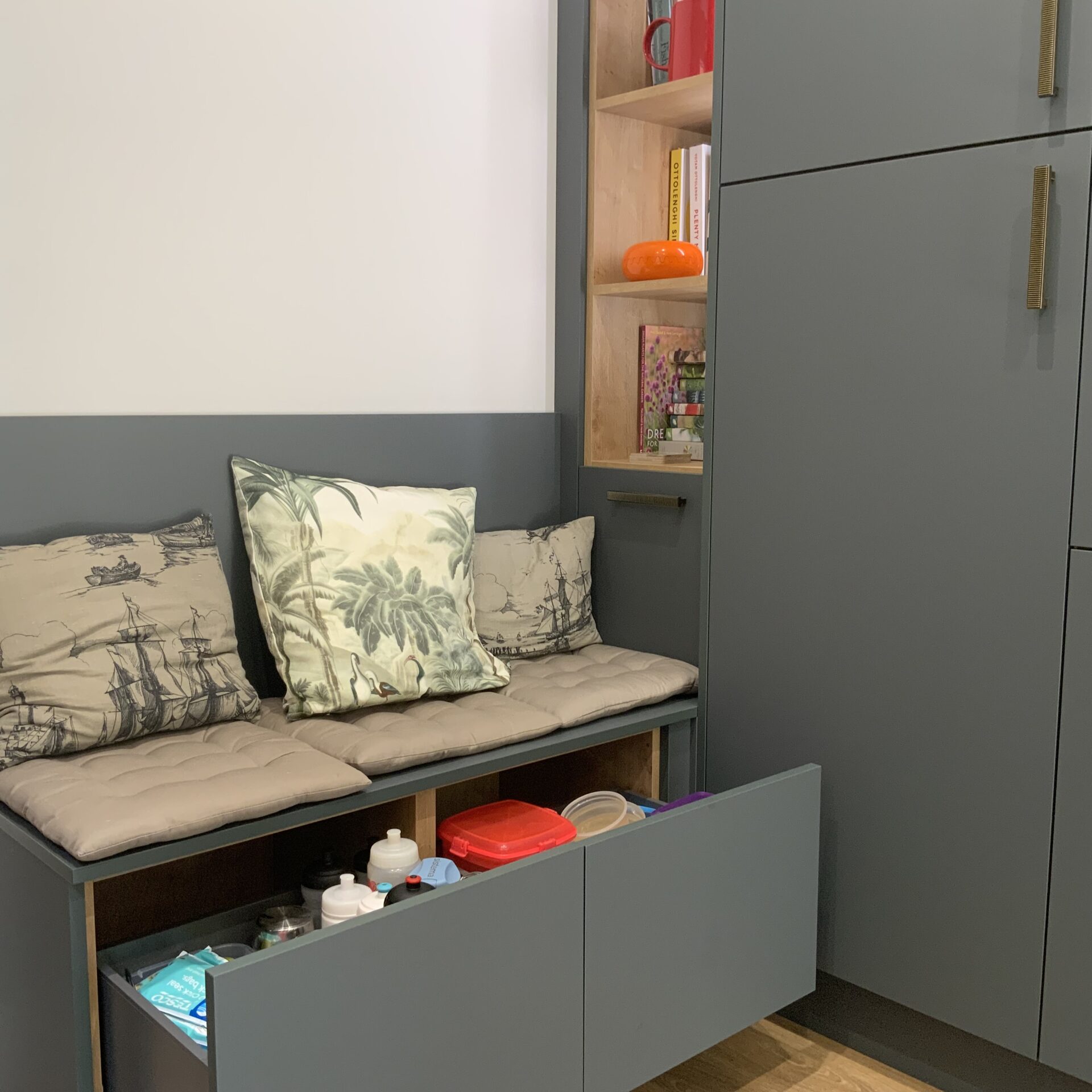
High‑end kitchens aren’t defined by how they look, they’re defined by how they work. Focusing on creating storage that feels effortless:
- Soft‑close drawers that glide smoothly
- Deep drawers for pans and appliances
- Internal organisation systems for spices, utensils, and dry goods
- Lift systems for wall cabinets
- Corner solutions that eliminate wasted space
Good storage reduces visual clutter, speeds up tasks, and keeps the kitchen feeling calm and organised.
Ergonomics: Design That Works With You
Ergonomics is often overlooked, yet it’s one of the most important aspects of long‑term comfort. Key ergonomic considerations include:
- Correct worktop height
- Easy‑access drawers instead of low cupboards
- Lift‑up wall units instead of doors that swing into your face
- Smooth, silent mechanisms
- Logical placement of heavy items
A kitchen designed around ergonomics feels effortless and remains comfortable as your needs evolve.
Future‑Proofing Your Kitchen
When making a big purchase like a kitchen it’s important that you design for the future, not just the present. A well‑planned kitchen should adapt to:
- Growing families
- Changing mobility
- New appliances
- Evolving cooking habits
- Increased hosting or hybrid working
This is where full project management becomes invaluable. A professional team ensures every detail, from electrics to lighting to storage, is planned with longevity in mind.
The Role of Expert Project Management
High‑end kitchen projects involve dozens of decisions, trades, and technical considerations. Professional project management ensures:
- Seamless coordination
- Accurate timelines
- Quality control
- Technical compliance
- Stress‑free installation
It also guarantees that the functional design principles planned are carried through from concept to completion.
What makes a kitchen truly functional?
A functional kitchen supports natural movement, has clearly defined zones, and includes storage designed around your daily habits.
How do I choose the right kitchen layout?
Start with how you live: your cooking style, storage needs, mobility considerations, and how many people use the space at once.
What are the most common kitchen design mistakes?
Starting with aesthetics, ignoring ergonomics, underestimating storage, and not planning for future needs.
How do I know if my current layout is inefficient?
If you frequently cross the room for basic tasks, lack preparation space, or struggle with clutter, your layout likely needs rethinking.
Why is project management important in kitchen design?
It ensures every technical, functional, and aesthetic detail is executed correctly – reducing stress and preventing costly mistakes.
What’s the difference between functional and aesthetic‑first design?
Aesthetic‑first design focuses on appearance; functional design focuses on how the kitchen works. The best kitchens combine both, but function must lead.
Final Thought
A beautiful kitchen designed with a function-first approach, should feel effortless every single day. By prioritising functional design, ergonomic comfort, and future‑proof planning, supported by expert project management, you create a space that enhances your lifestyle for years to come. At Lima Kitchens in Milton Keynes, these principles guide every project we deliver, so you can enjoy a kitchen that works as beautifully as it looks.